


Generational trauma refers to generational patterns of fear, silencing, coping, relational stress in family systems that are passed down to later generations in the wake of major traumatic events. It’s not a moral judgment. It’s not a life sentence. It’s patterns of learning involving biological, relationship and social components that can change with safety, community and new strategies. But the important thing to keep in mind is that while you can see a family dynamic without shaming every single family member who preceded you.
What Is Generational Trauma?
At its heart, generational traumais about the continuing stress that gets handed down from one generation to the next, in a family or community. That stress is usually the result of such things as abuse, neglect, war, forced migration, racism, poverty, or chronic domestic violence. In generational traumathe Cleveland Clinic notes that people without a way to deal with that kind of things will find it seeps into their lives, coloring their thinking, their actions, and their health.
Clinicians and researchers also talk about intergenerational trauma and transgenerational trauma. Per generation trauma, Wikipedia puts it this way: “Transgenerational trauma refers to the transmission of the effects of trauma from one generation to the next.” The term itself, generational trauma, is not the most preferred in the literature; it is however more common when someone searches for information on the subject. This distinguishes this kind of inherited family trauma from the usual differences in personality or behavior between family members.
How Trauma Can Move Through Families
The Cleveland Clinic also says this, in generational trauma, about a way to understand what generational trauma is: it’s not just what happened originally; it’s how that happens gets passed on to someone. To elaborate, someone raised in a household where there’s no direct communication, no expression of feelings, where they see a parent suffer abuse, neglect, war, racism, displacement, poverty, violence, can come to mirror those same behaviors: silence, hypervigilance, distrust of outsiders, repression of their own needs and wants, and making sure the needs and wants of the adults are prioritized, even if it means denying their own. To a lot of people this feels fine, because they learned that is what the family does.
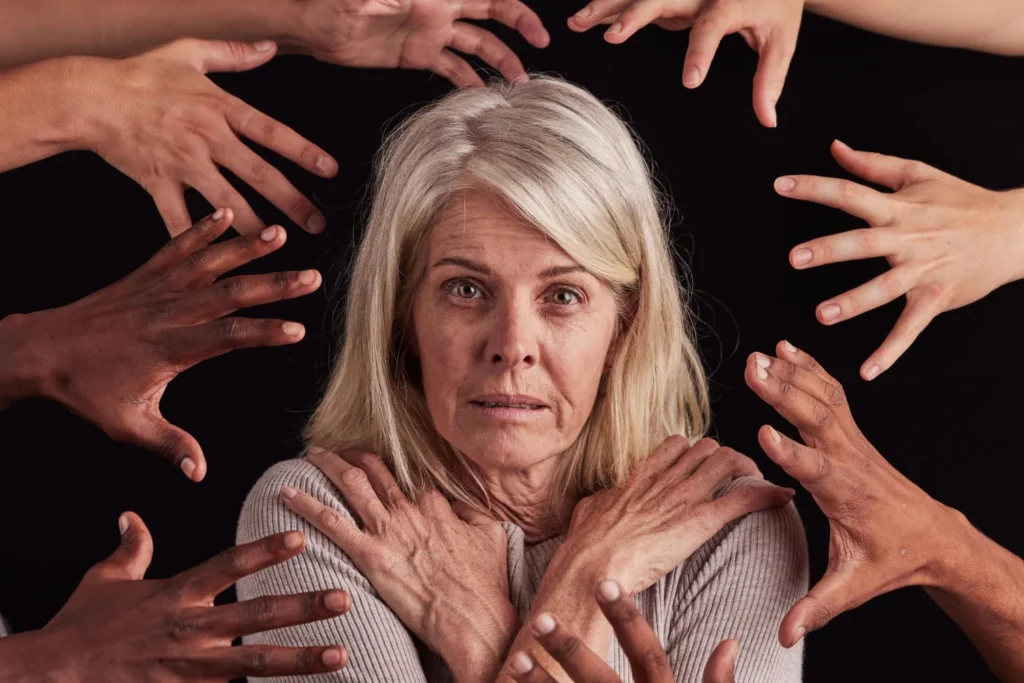
How It Differs From Personal Trauma
Your personal trauma is something you’ve been exposed to directly: a rape or other sexual trauma, a car wreck, a sudden death, a boyfriend or girlfriend who’s unsafe. You also had this atmosphere of inherited family trauma growing up: what was not spoken about what happened to your ancestors, conflict avoidance, silence, hypervigilance, distrust of strangers, “you cannot speak out loud of this stuff,” and the count of how many things you have to not name, and the many ways you can be not let to see. Generational trauma symptomsmay happen to a single person, but the generational traumacontext is usually generational family trauma, a collective one.
Signs And Symptoms Of Generational Trauma
These signs of generational trauma present emotionally, physically, or relationally. It could include anxiety, depression, emotional flatness, chronic stress, feelings of shame or guilt, outbursts of anger, or difficulty with trust, perfectionism, and pleasing others. Someone feels responsible for others’ moods, cannot rest, or anticipates rejection even in safe relationships. Health.com’s overview of trauma symptoms and treatment describes these patterns as they relate to a range of mental health concerns, such as PTSD-related distress.
Chronic stress can also manifest in the body. It may present as insomnia, headaches, stomach issues, muscle tension, fatigue, and other ailments triggered by stress in the family. Keep in mind: I do not mean that every illness could have something to do with trauma nor that you needn’t see a doctor about your symptoms. Rather: you should notice the way you feel when your body acts as if your family’s past is happening now.
Behavioral And Relationship Patterns
While some behaviors are not exclusive to inherited trauma, they often recur across generations. These patterns may include conflict avoidance, overprotective or controlling parenting, addictions, emotional cutoff, and unstable attachment, as well as difficulty with boundary setting. A trauma cycle could occur when a parent tries to protect a child through control, and the child responds from a perspective of fear, shame, or rejection. Intentions don’t change impact.
When Symptoms Point To A Larger Family Pattern
These patterns begin to point to trauma when they reflect a pattern of abuse, loss, survival, or silence. Your grandmother will not talk about the traumatic displacement she endured. Your mother gets anxious when your younger siblings ask her tough questions. You start feeling unsafe during a disagreement that usually isn’t. You may not be experiencing generational family trauma for that reason alone, but you should notice if fear shows up again and again for you, and if the fear you feel does not have a corresponding threat in the present day. If this resonates, seek help and kindness. ZSEP H2 “Signs And Symptoms Of Generational Trauma”
Generational Trauma Examples
A secondary effect might look like kids raised under rules for a hazard they haven’t seen. A parent who has suffered physical abuse might share with their children “Never believe a soul,” so their kids have problems forming friendships or partnerships or looking for help from anyone. Another set of parents might tell their kids that it is not safe to have feelings, so kids have to feel they’re safe only if they are feeling angry, and their grief is something shameful they have to hide. The encouraging news is that these kinds of rules first began as a way to be safe.
Other examples could be that a primary caregiver who has been poor now collects money, meals, or objects although there’s plenty around them. A grown kid of an addict might wind up too concerned for everyone and their doings to stop disorder. A kid might avoid going to physicians, having trust in officers, and interacting with various other specialists, in effect, since this family’s relationship with those places was hazardous. You begin to restore the generational legacy when you start asking yourself, “In what way was this a strategy to keep me (and my family) safe, and is it still good for my safety?”
Families Affected By War Forced Migration Systemic Racism Domestic Violence Addiction
A family that has had war, massacre, political disorder, forced migration, family violence, institutional discrimination, dependency, severe poverty, widespread imprisonment, or massacre in their background frequently has a connected legacy of private and open trauma. There is a PubMed Central paper about second generation trauma which may be a useful guide for people who want, but one should read and comprehend it with a critical viewpoint. In an actual family’s situation, this could mean that their offspring have grown up with a long-lasting distrust of medical workers and the cops, a household law of secrecy around losing or dying, broken or missing caretakers and guardians, or a family law of being “tough” at all times in order to get through.
Why The Cycle Continues
The cycle persists, in part, because so many survival strategies become family rules. Don’t talk. Don’t cry. Don’t trust. Don’t need anyone. While those rules may keep you alive in unsafe circumstances, they may come to harm your relationships when those unsafe circumstances disappear. A parent who learned that being soft and vulnerable invited more punishment may respond to their child’s tears with anger, not because they don’t love them, but because being vulnerable seems dangerous.
Certain actions that serve you in hazardous circumstances can harm you when the circumstances become safer. Hypervigilance becomes controlling. Self-reliance becomes isolating. Silence becomes emotional unavailability. So, what does that actually mean? It means that the cycle persists not because someone doesn’t want to be different, but because their nervous system and the culture of their family of origin continue to respond as if they’re in danger. Changing takes more than recognizing that something is unhealthy; it takes the experience of sustained, repeated safety.
Social And Historical Causes
The APA has an article about the concept of “legacy of trauma” among people who have experienced group-wide traumatic experiences. I like the article from the APA on legacy of trauma. Racism, colonialism, displacement, community violence, poverty, prejudice, abuse, all these influence stress at the family level, sometimes in ways that may be difficult to discern at the individual level. Individual therapy may help but, sometimes, it won’t be enough. You may have unsafe housing or experience ongoing discrimination or lack cultural safety or be in the continuous presence of trauma.
Biology, Stress, And “Genetic Trauma”
One way that researchers talk about how stress may be potentially passed along to future generations involves epigenetics. It’s not destiny, but the stress-response systems that have been activated repeatedly over an extended period become more reactive. This is especially true for people whose childhoods involved extended experiences of having insufficient safety or support. But, we have to be careful here: your genes aren’t dooming your family. A safe environment, supportive connections, medical treatment, and access to emotional resources reduce your risk and foster resilience.
Tips For Breaking The Cycle
First, you must identify the patterns, but don’t adopt a litigious posture. “In our family, it’s usual to isolate when conflict occurs” is more empowering than the accusation, “You ruined me.” Try to track the lineage of the patterns, to understand what prompts them, and what each behavior served as a protective measure against. An IU Health essay on adverse childhood experiences and breaking the cycle of generational trauma offers a public-health approach to family healing.
Learn how to manage emotions before you tackle the most challenging family issues. Familiarize yourself with the ability to notice cues in your body, calm your breathing, take breaks, and to name emotions correctly. Replace secrecy and silence with age-appropriate family conversations: “Grandpa witnessed traumatic experiences, so not sharing his feelings was an adopted way of life.” And at last comes the most frequent blind spot: Children don’t need the whole story. They need to know that you are safe and that you’ll have it.
Healthier Boundaries And Communication
Transparent, consistent, and nonpunitively imposed boundaries can end the repeating cycles. For instance, “I’m going to leave the room if you’re going to start yelling” or “I’m not going to discuss my body, how much I make, or how I’m raising children at the dinner table” are good examples. Guard against the emotional blackmail or guilt trip, often the refrain of a family member when they hear about boundaries being set: “You’ll hurt them if you do that.” And don’t forget the opportunity to restore the relationship in real-time as it happens: A true apology that explains the impact of your action and looks for another way to respond in the future.
Supportive Parenting And Caregiving Changes
Caregivers and family members cut off the generational transmission by maintaining predictable patterns, validating emotions, and creating rules for education rather than fear. A child who is told, “I’m here because you’re safe; I’m here to be with you and support you through these big feelings,” hears a different lesson than a child punished for expressing discomfort. Avoid a punitive style of discipline that includes fear, humiliation, or dominance. Consistency, warmth, and repair allow children to forge trusting connections and learn to cope with feelings.
How Can You Support Your Mental Health?
Culturally competent therapy is critical because trauma happens within a framework of family, faith, race, community and culture, immigration, and roles, not some kind of vacuum. A good therapist will respect your cultural background while helping you to discover maladaptive coping styles. Trauma-informed care means that your health care provider has been educated about the principles of safety, choice, collaboration, trustworthiness, and empowerment, not telling you to tell your story before you’re ready or calling your response to a survival situation a flaw in you.
Support groups can also help to reduce isolation. Think of joining an adult children of addiction, grief, domestic violence survivor, racial trauma, caregiver burnout, or post-traumatic stress support group. But those support groups should be organized and safe emotionally, not a coerced space to expose more than you feel able to share. Linda Behavioral, its post on dealing with inherited trauma also lists therapy and support groups as the most common methods of care.

Online Family Therapy
Family therapy online may be useful if family is too distant, schedules are so distinct that seeing everyone simultaneously is impracticably challenging, or the thought of being in one room in person feels unmanageable. Seek out a licensed, trauma-informed provider who can describe knowledge with family systems, boundaries, history of the family, and interaction techniques. Generational trauma therapy should never force reconciliation of a family or downplay abusive acts. A good family therapist will work towards getting a family together in safer spaces, to find patterns in family behavior, to try out new ways of interacting during the weeks.
When To Seek Professional Help
Professional assistance may be necessary if such issues interfere with your everyday functioning, interpersonal connections, caregiving duties, employment, sleep, or your subjective sense of well-being. Do not put off addressing these issues until you are at total rock bottom. A mental health counselor can assist you to understand your triggers, lower your self-loathing, create strategies for coping with symptoms, and determine whether particular family ties are salvageable. Trauma often also affects one’s bodily state; thus, a clinician might suggest medical attention if changes in eating habits, sleeping patterns, physical pain, or substance use are present.
Immediate danger must be dealt with before self-reflection will prove useful. If you are worried about your personal safety, or you or another person may act to physically harm oneself, if you are experiencing domestic violence, or if you feel unsafe in your housing situation, reach out to your neighborhood emergency services, a suicide or crisis hotline, a health care professional, or a community resource for domestic violence victims. First, look out for yourself. Your family history can be examined later when you and any children or dependent adults have reached a place of safety from physical harm.
Ptsd Symptoms Panic Depression Substance Use Self-Harm Thoughts Domestic Violence Or
PTSD, panic disorders, depression, drug or alcohol dependency, thoughts of self-mutilation, abusive romantic partnerships, or insecure living arrangements should all be addressed promptly with expert care. Warning signals can include re-living past trauma through vivid hallucinations, sleep disturbances, episodes of detachment, chronic nervousness or fear, verbal or physical abuse, emotional manipulation, disconnection from support systems, or a belief that the world or the people you know would be happier if you did not exist. Such symptoms require a qualified therapist or counselor, not a lack of honesty or a strong will. </output>
Frequently Asked Questions
Q1: what is generational trauma?
It’s a cycle of trauma-related stress, beliefs, behaviors, and relationship responses that occurs more than one generation in a family or community, after a severe adversity or experience such as abuse, violence, displacement, racism, poverty, or loss. This can be passed from parents to children or between any two generations, affecting the way people parent, trust, express emotions, and even stay healthy, which can also change if people are given safety, support, and tools.
Is inherited family trauma the same as intergenerational trauma?
Yes, many use the terms inherited family trauma and intergenerational trauma to refer to the same general concept: trauma effects that flow from one generation to the next via relationships, stress, silence, and conditions that shape communities. Transgenerational trauma is another related term. It is possible that some people and fields would emphasize these differently.
Can inherited trauma affect physical health?
Yes, chronic stress associated with inherited trauma can influence the body, including sleep disturbances, muscle tension, frequent headaches, digestive upset, ongoing fatigue, or stress-related symptom flare-ups that still need to be medically assessed. Trauma does not have to be a factor, and there are many other health conditions. But it can change the way the nervous system reacts to perceived danger.
How do you know if a family pattern is trauma related?
A family pattern might be trauma-related when a family repeatedly responds to stressors with intense fear, avoidance, control, blame, shame, or silence. It may not have a clear connection to the current event that brought it up. It may be hard to identify, but you may notice it when it repeats over and over again, or if it feels as though it’s bigger than it should be in the present day. It may not be necessary or possible to identify the trauma. A therapist may help you find and explore these patterns without requiring you to be right or to blame anyone.
Q5: Can parents accidentally pass on trauma to their children?
A5: Yes. Parents can transfer trauma to children through behavior, feelings, family rules, and stress, with or without intending to. That can look like being shut down, being very controlling, or having a hard time remaining in control when it gets tense if parents have been affected by past trauma. It may seem like intent counts, but so does how your experience comes across.
Q6: Is inherited trauma a fact or just a theory?
A6: Inherited trauma is real in that we see trauma-related effects over and over in and across families, relationships, and generations. But while research has found evidence that is supportive of these findings across psychological, social, and even biological realms, it doesn’t mean inherited trauma is inevitable or set in stone. We need to embrace both parts of this: yes, there are generational effects, and yes, things can be different.
- Generational trauma describes trauma that gets passed down to and throughout a family across more than one generation.
- These impacts may include feeling more anxious, depressed, distrustful, avoiding emotions, harsh parenting, or dealing with chronic stress.
- How a family handles trauma will be influenced by many individual and shared factors, such as racism, poverty, violence, and forced displacement.
- The first step toward repairing trauma is recognizing the patterns in play, putting healthy boundaries in place, and becoming comfortable communicating in ways that serve all involved better.
- Online, you can look for a culturally sensitive, trauma-informed therapist or family therapist who can work with you toward positive change.
Generational trauma can feel alarming because you weren’t able to control how they started. However, the patterns can change. When you gain awareness of how the patterns began and begin to work toward patterns that are healthier for interactions, the change can begin.
You can find support from family, friends, community groups, peer groups, a trauma-informed mental health therapist, or family therapy sessions online. Healing means letting go of a goal to hold generations past accountable for what they did to you. It means deciding to be responsive in new ways, focusing on your own safety, and giving your kids space for trust, choice, and emotions to happen.
Sources
- Health.com’s overview of trauma symptoms and treatment
- PubMed Central paper about second generation trauma
- article from the APA on legacy of trauma
- An IU Health essay on adverse childhood experiences and breaking the cycle of generational trauma
- Linda Behavioral, its post on dealing with inherited trauma