
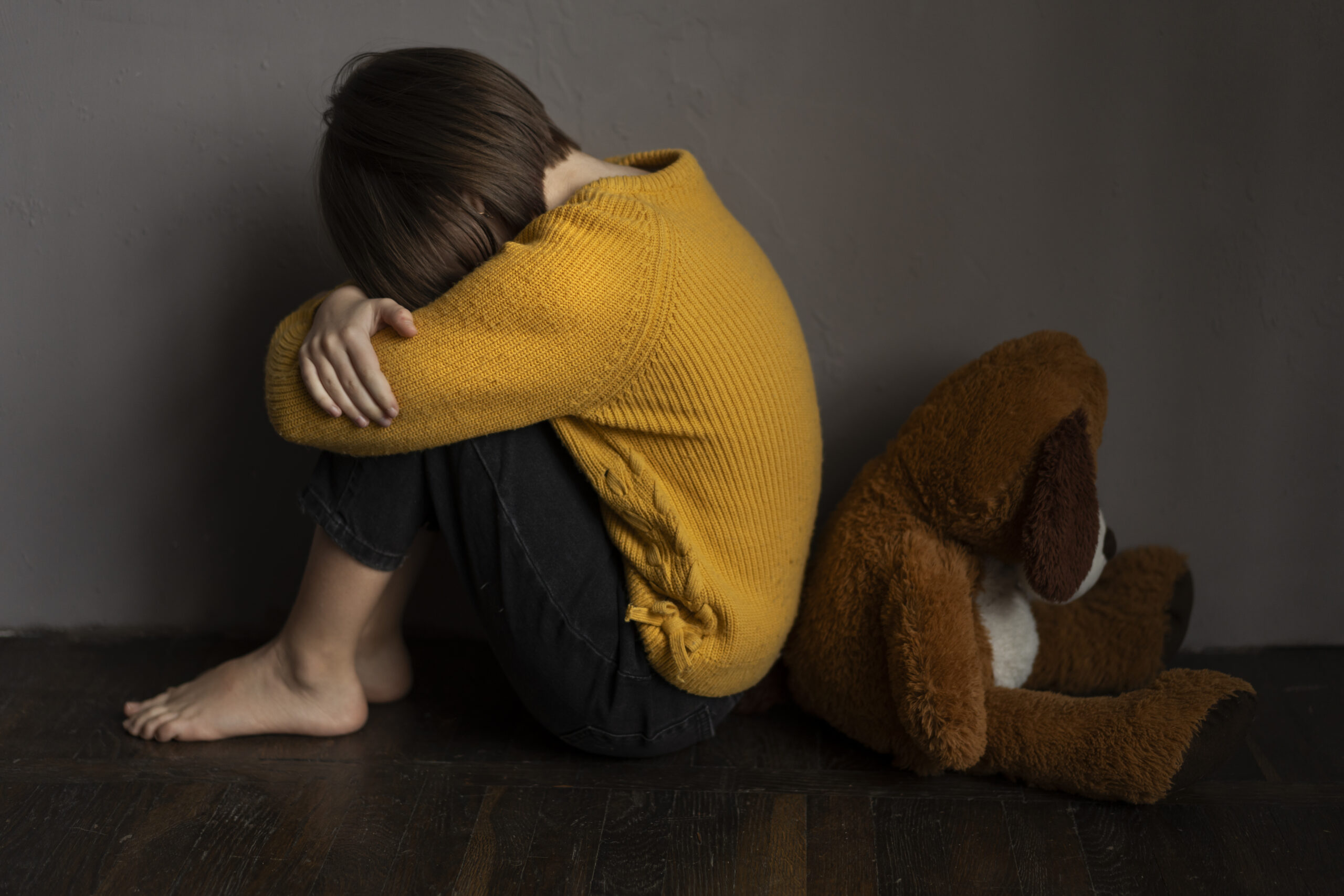

Childhood traumarefers to whatever a child cannot cope with or has to feel unsafe about. what is childhood traumathe key distinction from normal childhood stress is the degree of fear and perceived danger to the child. The danger or stress may be protected from or supported, but it may not seem within reach. Childhood traumacan impact a child’s emotions, behavior, health and relationships over time, especially after a traumatic childhoodor achildhood emotional trauma. There can be immediate signs, or it could take years until a trigger, relationship, or life event prompts the brain to return to an old stress response mode. This is why understanding aboutchildhood trauma is so important as you weightraumatic childhoodandchildhood trauma in adults.
What Is Childhood Trauma?
A child’s experience is traumatic if it is frightening or disturbing, or both, and there is nowhere safe to go or it feels out of the child’s control. Per this overview of child traumatic stress, by the National Child Traumatic Stress Network, “Traumatic stress occurs when a child experiences a stressful event or situation that overwhelms a child’s ability to cope. Stress can be caused by a multitude of experiences that leave a person feeling threatened, fearful or unsafe.” Whether it is a difficult test, a fight with a friend or even breaking a favorite toy, children often feel these things acutely but with support can often process these feelings. Those experiences, however, would rarely be described as traumatic childhood. A traumatic event, on the other hand, can leave a person’s nervous system more on alert and easier to stress out.
Children who experience the same event may have quite different responses. Circumstances matter as well as a child’s age, temperament and other past adversities. What happens afterwards matters too, the resources at hand and who helps the child feel safe. Childhood trauma can include violence and abuse, sudden loss or fears around what is happening at home. Understanding childhood trauma involves asking what happened, how the child experienced it, who was there and who was there to care.
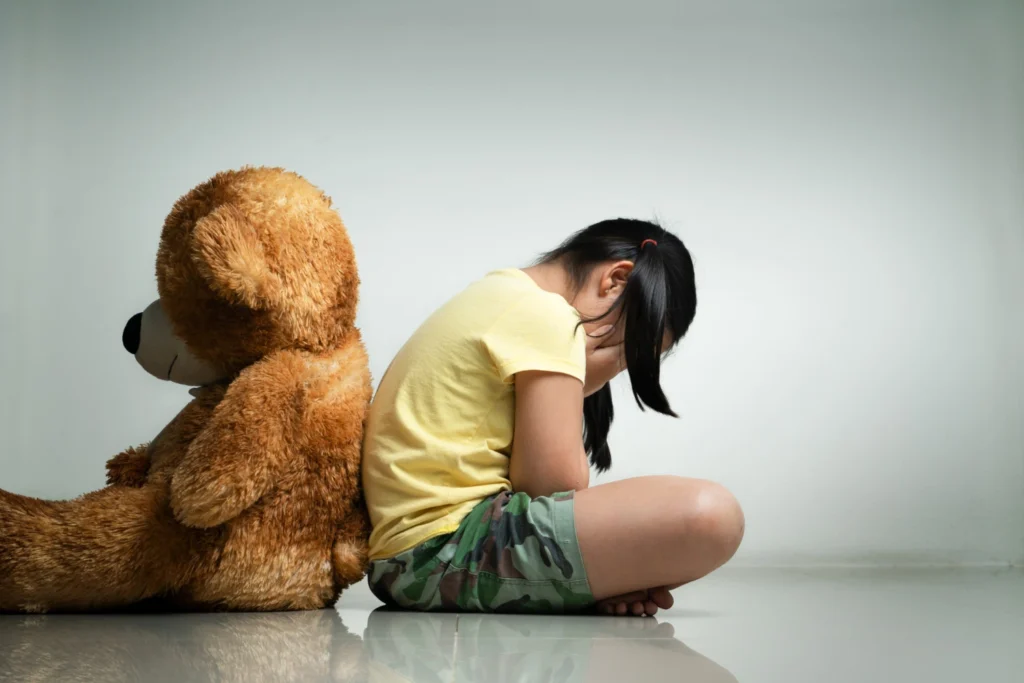
Common Types Of Childhood Trauma
They may include physical abuse, sexual abuse, emotional abuse and neglect; witnessing or experiencing domestic violence or community violence; bullying; sudden or long-term separation from a caregiver; a traumatic accident or disaster; or frightening medical care. These traumatic childhood experiences may be obvious, but at the beginning they can be difficult to label. Childhood emotional trauma can be harder to identify because they leave no physical marks. Humiliating or threatening interactions repeated over and over again can teach a child that love and safety are unpredictable.
Adverse Childhood Experiences And Risk
Adverse childhood experiences (ACEs) are negative or stressful events a child may have experienced. ACEs are used in research to predict potential negative adult health, economic and educational impacts. The point of an ACEs score is not to predict someone’s future, or to assign blame, it is simply to add up the number of different traumatic events a person might have experienced prior to age 18 while not having the benefit of the buffering effects of stable, caring and nurturing relationships. The more adverse childhood experiences a person has, the greater the risk for cumulative, unbuffered stress and long-term health impacts; researchers often talk about “toxic burden” on a developing brain and body. Still, ACEs are not a person’s fate. Safe, stable, caring relationships can buffer stress and help individuals develop resilience. With stable relationships, counseling and community support, along with time and space, people can change their outcomes. ZK3ZSEPACEs are not destiny.
What Counts As A Traumatic Event For A Child?
There is a trauma if the event overwhelms what the child can withstand, evoking feelings of terror, powerlessness, horror, or shame. Traumatic childhood could be a single occurrence like a car crash, or something more ongoing, like continuous exposure to danger or addictions or outbursts of uncontrolled rage. It is especially important for children to remember how an event affects them when they are young and they depend on their parents to help them understand what happened and feel that they are safe again.
Equally important is how a child is treated in the aftermath. Children who have parents that believe, protect, and comfort them will probably be more able to heal than a child whose caregiver minimizes, insults, and punishes the child, or is unwilling to acknowledge what occurred. The event itself is only a fraction of the puzzle. What happened after? The most important question is did the child have the time and support to feel safe?
Real Or Perceived Threat
Not all experiences that impact a child’s body are outwardly life threatening. A child locked in a room. A caregiver exploding. A medical procedure. The sounds of violence coming from an adjacent room. These experiences can leave an overpowered child at a loss in terms of how they are coping. Understanding childhood trauma involves understanding and believing the child’s point of view. The reality is that the point of view of a traumatized child may evolve with a child as they receive adult reflections.
Child Trauma Signs In Children And Teens
Before they can fully articulate their experiences, a child may manifest their experiences through behaviors. For instance, your child may experience nightmares, new fears, bedwetting, clinginess, irritability, aggression, social withdrawal, headaches, stomachaches, and/or inability to focus. If your child is an adolescent or older, he or she may be sleeping far more or less than usual, have less of an interest in school or other activities, begin engaging in riskier behavior, or have an extreme reaction to feedback (including correction). These are not definitive signs your child or teen has been traumatized, but certainly are signs your child may benefit from additional help.
Your child may find it difficult to self-regulate. Your child may experience frequent emotional outbursts in the face of routine changes or may become dysregulated or “switched off” after hitting a hard trigger. Some children appear to be on high alert for most of the day, while other children may struggle to self-soothe and return to baseline after a difficult day. The SAMHSA child trauma information page suggests that child traumatic stress can negatively influence children’s development, emotional state, cognition, and behavior. The adults in a child’s environment are the ones who teach children how to self-regulate emotions, responses, and physical reactions. Your consistency and steady presence can model a healthier way of handling stress and may help recondition their responses to stress over time.
Reminders And Adversities That Can Trigger Stress Responses
It’s quite possible for a reminder to send your body back into fear prior to your thinking brain realizing what is happening. A trigger could be anything: a smell, a sound, a particular person, a song, a holiday, a location, a medical facility, or an important date. The reaction might be one of fear, sickness, aggression, disconnection, numbness, or a mix of the above. Since what you are reacting to is now in front of you, yet the threat actually happened long ago, it can seem bewildering.
Is this true for you? Being triggered doesn’t mean you’re weak or trying to be the centre of attention. It’s a quick reaction in the face of a threat that you developed as a child when you had to react to danger quickly. Per University of Rochester Medical Center’s overview of how early trauma may affect adults, childhood trauma “may produce physical and emotional effects that can last long after the original event is over, especially if it was a significant event, or one that was not dealt with in a safe environment.”
Ongoing Adversities Such As Instability Or Unsafe Relationships
Your trauma could increase if the things you are currently dealing with are really comparable to what happened back then. When housing conditions, finances, coercive control, discrimination, caring duties, unsafe interactions with relatives and acquaintances, or other issues render your life unpredictable, your body’s alarm system may remain permanently triggered. And even though the event that originally set off the alarms could have happened decades prior, you still might not know for certain if everything is fine now. A sense of practical stability can be useful when recovering from trauma. ZK941ZSEP Trauma is an innate response to a trauma-inducing event.
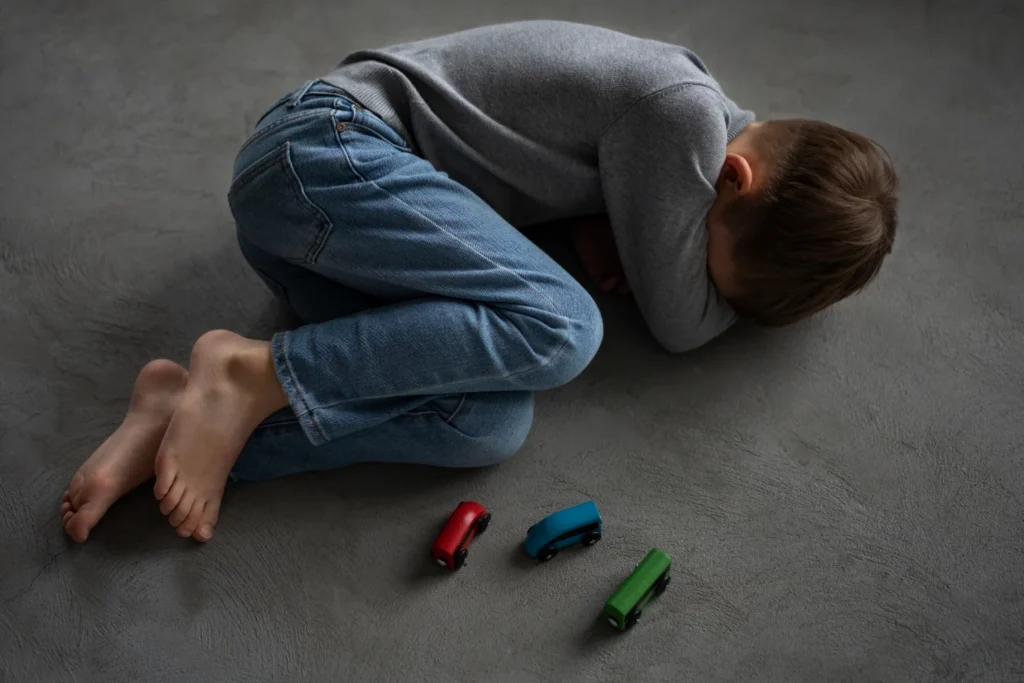
Symptoms Of Childhood Trauma In Adults
You could feel anxiety, or depression, feeling numbed, sudden outbursts of anger, or feel overwhelmed with a sense of “too much”, and “not enough”. You could experience shame, anxiety attacks, or panic attacks. Symptoms of childhood trauma in adults include chronic stress, gastrointestinal problems, headaches, fatigue, nightmares, sleep disorders. You could remember the event that you feel you suffered trauma from. Some of us can remember the events. You may not have specific memories, but your body might have strong reactions to intimacy, conflict, authority, loss, etc.
Here is something many adults don’t know: there is no rule that you need to have a clear, perfect recollection of what happened in your childhood that you need help. Some people don’t get treatment for [ZKchildhood_trauma_0], because you felt you had it “better” than others that suffered more, or because you were told that this is normal family dynamics. As Blue Knot Foundation explains about childhood trauma, a person’s sense of self, their safety and sense of relationships can be affected well into adulthood.
Emotional And Psychological Symptoms
You may feel emotional symptoms, such as guilt, shame, hypervigilance, low self-esteem, fear that you are about to get blamed, or a feeling that you can not trust others. You might scan someone’s face, to see if they are going to lash out. You may apologize automatically, expect the worst to happen, and you may feel like it’s your responsibility to control other people’s emotions. You may have tried really hard, like being perfect, because it was a “safe” option to avoid being hurt. Or you may have learned that if you show your feelings, you could get hurt, and have become so guarded, you don’t really feel your feelings anymore.
Physical And Behavioral Symptoms
The body might be showing stress signs of sleep deprivation, tight muscles, changes in appetite, low energy, your heart could be racing at the slightest provocation, or you could be shutting down. Behaviorally, you might isolate, overwork, people please, try to have control, withdraw, or numb out with alcohol or drugs. These behaviors all started out as “safety” behaviors, though, as you grow, they can start to keep you from making life choices you want to make and limit your quality of life.
Relationships And Emotional Health
An early fear can affect attachment styles, where you set your boundaries, and how you handle conflict. You could fear you’ll be abandoned, gravitate towards people who are unavailable to you emotionally, feel like intimacy is just not safe, and feel safe when you are with people who abuse you because the inconsistency of your environment was a predictable pattern. You might see a small amount of tension as “they hate me” or “they are going to hurt me.” It will be possible to have a healthy relationship when you know that intimacy doesn’t just have to mean having boundaries around, “I can’t hurt you” and “I won’t leave” as you get to know them. ZSEPZK9
Long-Term Health Consequences
Stress keeps the body in constant “high alert” mode for danger. That can lead to, over time, changes to immune function, the body is prone to inflammation-related conditions, or sleep, and can increase risk for vulnerability for depression or anxiety. This PMC review on the biological effects of early trauma talks about how severe stress in the body can influence the brain and body’s systems. We don’t want risk to be a verdict for what we think is wrong in our lives, but it might be a good reason to take the “symptoms” in your life and body more seriously.
Ways To Heal And Process Childhood Trauma
The first step to recovery is safety and stabilization; not rushing to confront painful memories right away. Trauma-informed care helps you to build grounding skills, emotional control, boundaries and somatic knowledge first. You might discover early signs of activation, breathe more slowly, scan the environment and consciously choose a response instead of reacting.
But be warned, recovery is rarely a linear process. You can feel great and then face a setback due to stress, loss, mothering/fathering, illness or changes in intimate partnerships. That is not an indication of failure on your part, it is an indication that your system has encountered another layer of memory or fear. With the right type of steady support, you can move through the healing process at a rate at which your body can sustain.
Professional Treatment Options
Specialized, trauma-centered therapy can be useful in helping you face and work through memories, overcome any avoidance and feel a renewed sense of safety. EMDR is one type of therapy, which involves a set of structured protocols and techniques to help you face and process difficult memories while your eyes or ears take in a back-and-forth motion. Cognitive behavioral therapy could help you notice how your beliefs are influenced by fear, and practice alternative ways of thinking and acting. The right type of therapy varies based on symptom profiles and stage of recovery as well as culture, goals and therapist training.
Self-Help And Coping Strategies
Self-care is helpful but not a substitute for treatment when you need it. Try grounding techniques through your five senses. Count five things you see around you. Press your feet into the ground. Hold an ice cube or another cold object. Write a journal. Pay attention to things or thoughts that might trigger you. Follow a schedule to get enough sleep, eat regularly, move your body and limit your intake of drugs and alcohol. Give your body’s stress response a break.
Building A Support System
Healing happens faster within the context of safe relationships because trauma is frequently the result of loneliness, secrets and fear. Choose people with whom you can keep boundaries and who believe and respect you, rather than ask you to share things you do not want to talk about. Friends, family members, support groups and communities that feel culturally safe for you can all help alleviate shame. If you are at risk of violence or if your safety is compromised, reaching out for help from emergency or crisis services can come before any trauma work.
When To Seek Immediate Help
Get help now if you’re thinking about hurting yourself, feel unsafe, feel like you’re going to hurt someone else, feel completely crazy, or are struggling with intense panic, dissociation, flashbacks, or increased substance use. Reach out to your area’s emergency services, crisis service, or another person who’s able to stay with you in that moment.
Take a moment here. It’s fine to ask for help before everything starts to spiral. If nightmares, panic, alcohol, drugs, rage, emptiness, or relationship struggles are starting to get in the way, you can seek support. Seeking help sooner could help symptoms not to worsen, plus you’ll have some strategies for the next rough patch.
Unsafe Home Environment
If you or a child is in a situation with violence, threats, coercive control, sexual abuse, or significant neglect, your focus must be immediate safety. This might include emergency services, child services, domestic violence, school, another adult or caregiver. Don’t face someone who’s dangerous alone if it might be unsafe. Safety first, then tell, work through, or repair with family.
Frequently asked questions
Q1: What is childhood trauma, and how is it different from normal childhood stress?
what is childhood traumais a traumatic experience for a child if the child experiences the experience as unsafe, terrified, trapped, or unprotected. Normal stress is temporary for a child and can be resolved with the help of a caregiver. However, if the child has experienced stress and the safety has returned, stress can help the child build effective coping strategies. The body can hold the experience of trauma and can experience the stress response long after the threat has passed.
Q2: Can someone have symptoms years after a traumatic childhood?
Yes. Symptoms can appear years later because the nervous system may store threat responses long after the original danger has passed. Adult relationships, relationships with children, grief, trauma, or the environment can trigger the memory. This is a very common experience and this experience can be treated with the right care.
Q3: What are the most common signs of childhood trauma in adults?
The most common symptoms of childhood trauma include: anxiety, depression, emotional blunting, shame, difficulty sleeping, tension in the body, avoidance, drug and alcohol use, difficulty trusting others, and a strong emotional response to situations in which the child feels the danger of conflict, shame, and loss of control. The person can also feel a lack of connection to their physical or emotional needs. This does not mean this is a disorder; it means that the person is responding in the best way possible given what he/she has experienced.
Q4: How do adverse childhood experiences affect long-term health?
The experience of early traumatic stress can cause physical health problems in adulthood. When stress is a child, the body does not have enough time to recover. If there is a long-term trauma, it can cause stress over the course of childhood development, resulting in problems sleeping, depression, low immune system, and inflammation-related conditions. ACEs are related to chronic stress, but they are not related to the outcome; they have the potential to be protected by the presence of relationships that feel safe and responsive.
Q5: Why do reminders trigger strong emotional or physical reactions?
Triggers cause reactions because the body reacts before the mind realizes that there is no longer a risk of danger. The smell, the date, the place, the voice, or the physical sensation of the experience will reactivate the feeling of trauma, which can lead to a panic attack, anger, nausea, or shock. Trauma response training can help calm the body in order to help it feel safe in the present.
Q6: What types of therapy are commonly used for healing childhood trauma in adults?
Therapy options can include trauma-based therapy, EMDR, cognitive behavioral therapy, therapy with an emphasis on the body and the senses, and supportive therapy. In all cases, it is important to seek help from an experienced mental health care provider to develop a personalized plan of care based on individual needs.
Key points
- Childhood traumacan be an event or series of adverse events or a feeling of unsafe in the home.- ACEs may put you at a higher risk of developing long-term issues, but they can’t predict future experiences.- The signs and symptoms can manifest physically, emotionally, or behaviorally.- A trigger of the trauma can lead to the experience of the trauma even after the trauma experience has stopped.- Healing from trauma involves working with a clinician, learning new ways of coping, and building a supportive social network.
Childhood trauma can shape how a person feels, relates, copes, and responds to stress long after the original experience. Trauma responses are not character flaws or permanent labels. With the right support, you can learn to recognize triggers, calm your body’s stress response, rebuild trust, and process painful memories more safely. The next helpful step is often steady and specific: name what happened, notice how it affects your life now, and seek trauma-informed care or trusted support when symptoms feel overwhelming.